Author: Christopher Jellis

  • How to Choose a Physio in Prahran: What to Actually Look For

    How to Choose a Physio in Prahran: What to Actually Look For

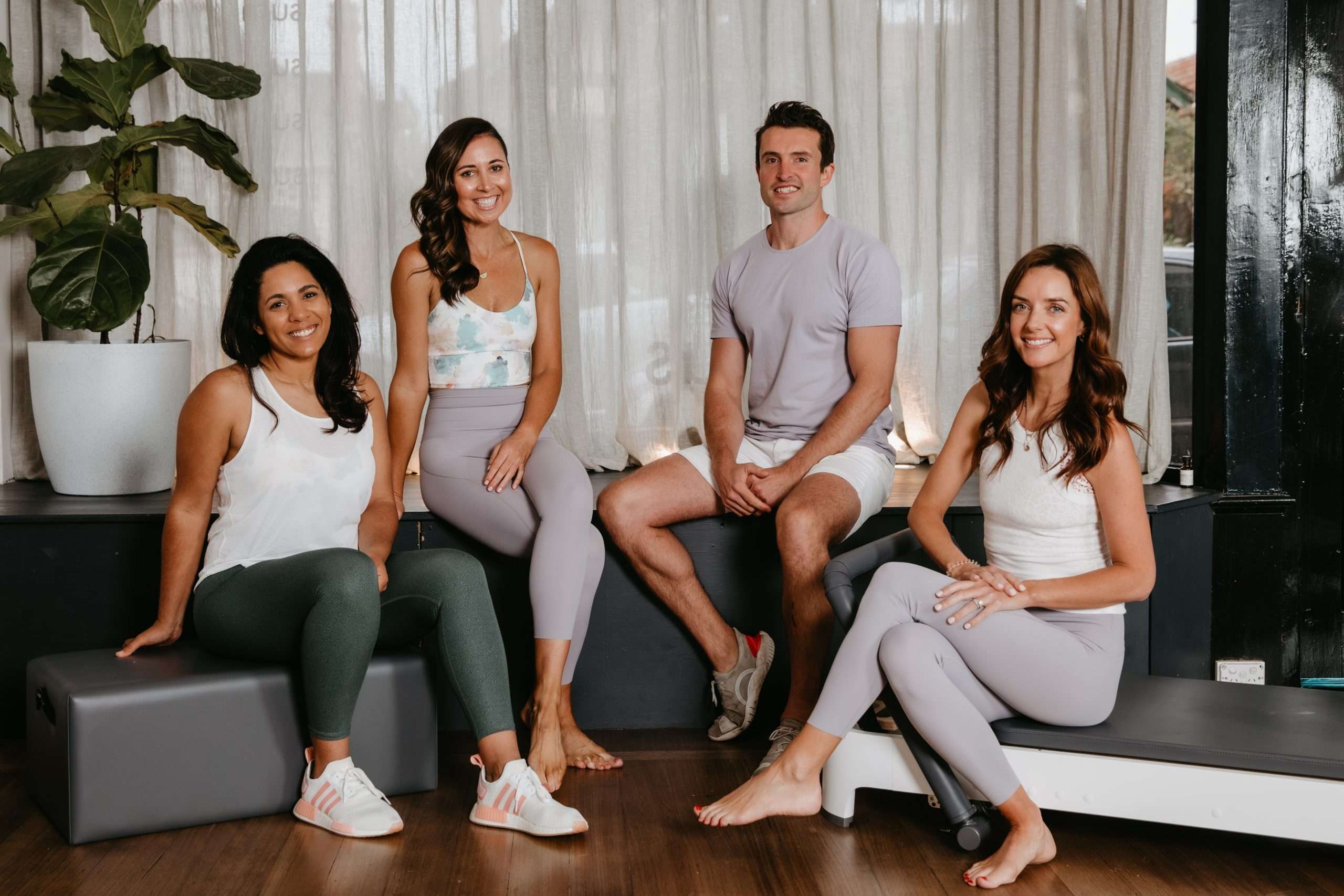
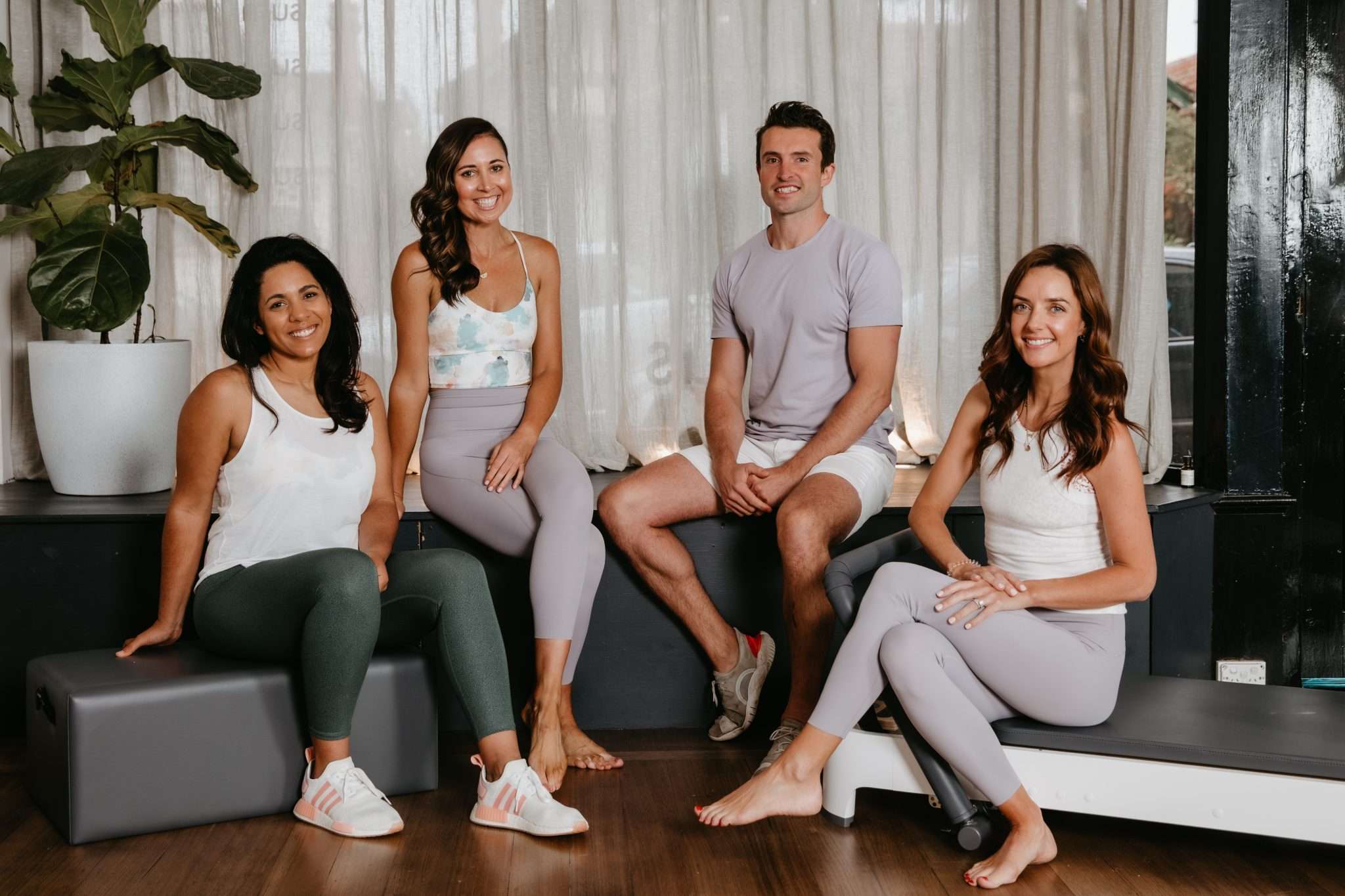
    The four physiotherapist founders of Sum Of Us Studio

    Search “physio Prahran” on a Monday afternoon and you’ll get something like forty clinics within a two-kilometre radius. Some are solo practices run out of someone’s front room. Some are chains with eight locations and a national marketing budget. Some are medical centres where physio sits alongside GPs and pathology. They all say “experienced”, they all say “tailored treatment plans”, and most of them have 4.8 stars because review sites round generously.

    We’re one of those forty clinics. This article isn’t a sales pitch for us — we’d genuinely rather you pick well the first time than book with us and have a bad first session. What follows is the honest advice we give friends who’ve moved into the area and ask who to see.

    1. Start with qualifications — but know what to look for

    Every practising physiotherapist in Australia has to be registered with AHPRA (the Australian Health Practitioner Regulation Agency). You can look any physio up on ahpra.gov.au and see whether they’re currently registered, where they trained, and whether any conditions have been placed on their registration. That takes about thirty seconds and is the single best first filter.

    Beyond that, look for:

    • APA membership. The Australian Physiotherapy Association is the professional body. Members have to meet continuing-education requirements. Non-members can still be good physios — but if someone is a member, you know they’re invested in the profession.
    • Titled memberships. These are the gold standard. “APA Titled Sports Physiotherapist”, “APA Titled Musculoskeletal Physiotherapist”, “APA Titled Women’s Health Physiotherapist” — these titles are only awarded after years of post-graduate study and a formal examination. They’re the equivalent of a specialist title in medicine. If you’re dealing with something complex — a recurring injury, a post-surgical rehab, pelvic floor concerns — a titled physio is worth the slightly higher fee.
    • Years in practice. Not the whole picture, but relevant. A newly qualified physio can be excellent, but experience in the specific type of problem you have matters more than general years.

    2. Match the physio to the problem

    This is the part most people get wrong. Physiotherapy is a broad profession, and the best physio for your neck pain is probably not the best physio for your pelvic floor concerns. The biggest practical question is: what does this clinic actually specialise in?

    Look at the service list and the team page. Two questions to ask:

    • Do they have a physio whose main caseload is your problem? A physio who sees ten runners a week will pick up on gait issues faster than one who sees two a month.
    • Do they have access to the tools your problem needs? Post-surgical knee rehab benefits enormously from access to a reformer or similar rehab equipment. Pelvic floor work needs a physio who’s done post-graduate training in it. Sports injuries benefit from someone who understands load management.

    If a clinic’s marketing is very broad — “we treat everything” — that’s not a red flag by itself, but it means you’ll need to check which specific physio on the team has experience in your issue before booking. Clinic reception staff are good at this. Ask them directly: “Who on the team has the most experience with [sciatic pain / post-ACL rehab / pregnancy back pain]?” They’ll tell you.

    At Sum Of Us, our team is divided by speciality. Sports and musculoskeletal injuries, women’s health (pelvic floor, pre and postnatal), rehabilitation (clinical pilates-integrated), and general musculoskeletal pain. When you book, reception matches you to the right physio for the presentation — you don’t need to know the names in advance.

    3. Location matters less than you’d think

    Prahran, South Yarra, Windsor, Armadale and Toorak are all within fifteen minutes of each other. Don’t pick a physio who’s closer to home but less specialised for what you need over one who’s fifteen minutes further but actually treats your condition well. You’ll be there four to eight times at most — the extra travel is worth it.

    That said, the exception is if your condition is acute and painful enough that getting there is genuinely difficult. Severe lower back pain, post-surgical rehab, late-stage pregnancy — in those cases, proximity matters more because you need to be able to get there reliably.

    Parking, public transport, and opening hours are practical filters worth applying once you’ve narrowed down to two or three options:

    • Is there parking at or near the clinic? Parking tickets on Chapel Street add up fast.
    • How close is the nearest train station or tram stop?
    • Do they have early morning or evening appointments? If you work full-time, this matters more than it sounds.

    4. Questions to ask on your first call

    Before you book, call the clinic. Not email — call. You’ll learn more from a two-minute conversation with reception than from half an hour on the website.

    Ask:

    1. “I’ve got [condition] — who on the team would you recommend?” A good reception team will name a specific physio and tell you why.
    2. “How long is a first appointment?” Anything less than 30 minutes is a warning sign. The first session should be at least 40 minutes to do the diagnostic work properly.
    3. “What’s the typical number of sessions for this kind of issue?” A good physio should be able to give you a realistic range — “three to six sessions over four to six weeks”, not “we’ll see how it goes” indefinitely.
    4. “Do you have hands-on treatment, or is it mostly exercise prescription?” Both are legitimate approaches. The right answer for you depends on what you’re after — but you should know what you’re walking into.
    5. “Are fees claimable under my health fund on the spot?” Most reputable clinics have HICAPS or similar for on-the-spot rebates. If they don’t, it’s not a dealbreaker, but it’s a small signal about how recently the admin has been updated.

    5. Red flags worth taking seriously

    In our experience, most bad physio experiences trace back to one of these warning signs:

    • Pressure to buy a package on day one. A legitimate clinic will quote you per session and let you decide session by session. Selling you “ten sessions for $X” at the first appointment, before they’ve even assessed you, is about cash flow, not your recovery.
    • Vague diagnoses. “Inflammation” is a symptom, not a diagnosis. “Tight muscles” is a finding, not an explanation. If you leave your first appointment not understanding what’s going on in plain English, your physio either doesn’t know or didn’t take the time to explain.
    • Treatment that hurts more than it helps. Mild discomfort during assessment or treatment is normal. Severe pain, worse pain the day after, or consistently feeling worse over multiple sessions is not. Tell your physio; if they dismiss it, get a second opinion.
    • No home exercises. If you leave three sessions in a row with no exercises to do between appointments, you’re not building capacity — you’re just getting massaged. That can feel good, but it rarely fixes the underlying problem.
    • Being seen by a different physio every time without being told. A good clinic either keeps you with the same physio or tells you in advance why they’re handing you to a colleague (holiday cover, specialist handoff). Shuffling you between practitioners without context means nobody owns the outcome.

    6. What to expect from the first session

    A well-run first appointment goes roughly like this: ten to fifteen minutes of detailed questions about your history and what’s going on; ten to fifteen minutes of physical assessment; fifteen to twenty minutes of hands-on treatment and education; a clear written or emailed plan before you leave, with one or two home exercises and a realistic follow-up schedule.

    By the end of it you should be able to answer three questions: What’s actually going on? What are we going to do about it? How long until I should feel a difference?

    If you leave your first session unable to answer those three, that’s a reason to consider someone else.

    7. What we do differently at Sum Of Us

    We wrote this article because we’d rather earn your trust than your booking. But since we’re a Prahran clinic ourselves, a few genuine differentiators worth knowing about:

    • Physio and pilates under the same roof. Our clinical pilates studio is physically connected to the physio rooms, and our physios run the clinical classes. That means if part of your rehab is building strength on a reformer, it’s the same team seeing you end-to-end — not a handoff to an unrelated studio.
    • Titled physios on staff. Including women’s health and musculoskeletal titles.
    • Small practice, not a chain. Which means reception knows your name and your physio has time.

    If that matches what you’re after, we’d be glad to see you. If it doesn’t, the advice above will serve you well wherever you go.

    Ready to book?

    Book a first physio appointment with us, or call reception on (03) 9510 6311 if you’d rather talk it through first.

    We’re at 602 High Street, Prahran — five minutes from Prahran Station, parking at the door, open early and late most weekdays.


  • Pilates as the Number 1 Treatment Tool for Sciatica

    Pilates for Sciatica Relief

    Back pain is now a common issue for many men and women throughout the world. Statistics from the Australian Institute of Health and Welfare suggests that seventy to ninety percent of people suffer from lower back pain at some point of their lives.

    What is Sciatica?

    Sciatica is a term used to describe pain, tingling, numbness or weakness that travels from the lower back down the path of the sciatic nerve — a large nerve that runs through the buttocks and down the back of each leg. This symptom occurs when one or more of the nerve roots in the lower spine are irritated or compressed, often due to a herniated disc or narrowing of the spine.

    Sciatica commonly causes:

    1. Pain that starts in the lower back or buttock and travels down one leg
    2. Sensations such as burning, sharp or shooting pain
    3. Tingling, numbness or muscle weakness in the leg or foot

    Symptoms are often worse when sitting, coughing or sneezing, but they can vary between individuals. Sciatica is a symptom of underlying nerve irritation, not a diagnosis on its own.

    What Causes Sciatica?

    There is no strong evidence that genetics alone “cause” sciatica, although genetic factors can influence spine structure and predispose someone to conditions like disc degeneration that may contribute to nerve compression. Sciatica most commonly develops during one’s forties, but can develop in others at various times in life – such as during pregnancy.

    Likewise, as sciatica is caused when pressure is put on the sciatic nerve or root, an accident or a fall in the buttocks can also cause a trauma on the sciatic nerve. This causes swelling – which causes sciatic pain.

    Another common cause of sciatica is Neural Tension. The posture of a person often affects sciatic pain.

    Sciatica rarely becomes seriously, but when it does, it usually requires urgent medical intervention or surgery. In many other cases, conservative treatment for sciatica is sufficient.

    Treating Sciatica

    Sciatica is a nerve injury, and it has been proven that Clinical Pilates is a form of exercise that is extremely beneficial to provide relief from the pain caused by sciatica. Pilates for sciatica is defined as a form of exercise – targeting core strength, stability and flexibility.

    A person has to be careful to ensure that the sciatic nerve does not get more injured than it already is – it is cautioned that the idea of over-recruiting muscles may be harmful for sciatica. For example, if you are doing Pilates from a more classical perspective where you are tucking your bottom and squeezing the glutes, it could be wrong for somebody with sciatica. That would increase the pressure on the sciatic nerve and decrease the space around the nerve. The suggestion is to want to work in a more neutral spine.

    If the sciatica is coming from a herniated disc, then we have to take all the disc precautions. Disc precautions include not going into unnecessary flexion, and sometimes extension. Avoid overusing the buttocks and the piriformis muscles. Avoid putting the nerve on stretch. Avoid too much flexion (forward bending) in the lumbar spine which could irritate the nerve if there is a disc lesion. Again, work from a neutral spine, get things to move and relax, and get the core strong. You can do a lot of Pilates for sciatica and still remove stressors on the sciatic nerve.

    Before heading to pilates, consider booking a physiotherapy session to get some individualised help with the different types of Pilates, ensuring what the full capacity of the back pain is and which treatment will be optimum to maximise temporary recovery for a certain type of back injury.

    Pilates for Sciatica

    The different types of Pilates treatments offered ranges from individually tailored exercise to clinical methodology.

    Individually tailored exercise focuses on an area of extreme pain and clinical methodology is an evidence-based technique taught by qualified professionals who become aware of the complex details of your body.

    Pilates Exercises to Avoid with Sciatica

    As a general rule, back patients should avoid exercises that push the spine into extremes of extension, or combine flexion with side bending or twisting the spine. The pilates for sciatica exercises should be challenging (both mentally and physically) but not so difficult that they cause pain. If an exercise causes pain – it is best to stop and tell the instructor.

    Often the glutes are found to be inhibited and this can abnormally load the pelvis and contribute to sciatic pain. A good pilates program is programmed to maximise gluteal activation to ensure you build up the musculature to support the pelvic bowl, thereby reducing load on the sciatic nerve.

    Pilates Exercises for Sciatica Relief

    Here are some effective Pilates exercises that can help relieve sciatica pain:

    Pelvic Tilts

    Pelvic tilts help to mobilise the lower back and engage the core muscles.
    How to do it:

    • Lie on your back with knees bent and feet flat on the floor.
    • Inhale and tilt your pelvis forward, creating a slight arch in your lower back.
    • Exhale and press your lower back into the floor, tucking your pelvis under.
    • Repeat for 10–15 reps.

    Knee-to-Chest Stretch

    This stretch helps to gently stretch the lower back and relieve tension.
    How to do it:

    • Lie on your back with knees bent and feet flat on the floor.
    • Bring one knee toward your chest, holding it with both hands.
    • Keep the other foot flat on the floor or extend the leg straight out.
    • Hold for 20-30 seconds, then switch legs.
    • Repeat 2-3 times on each side.

    Cat-Cow Stretch

    This exercise helps to improve flexibility in the spine and reduce lower back tension.
    How to do it:

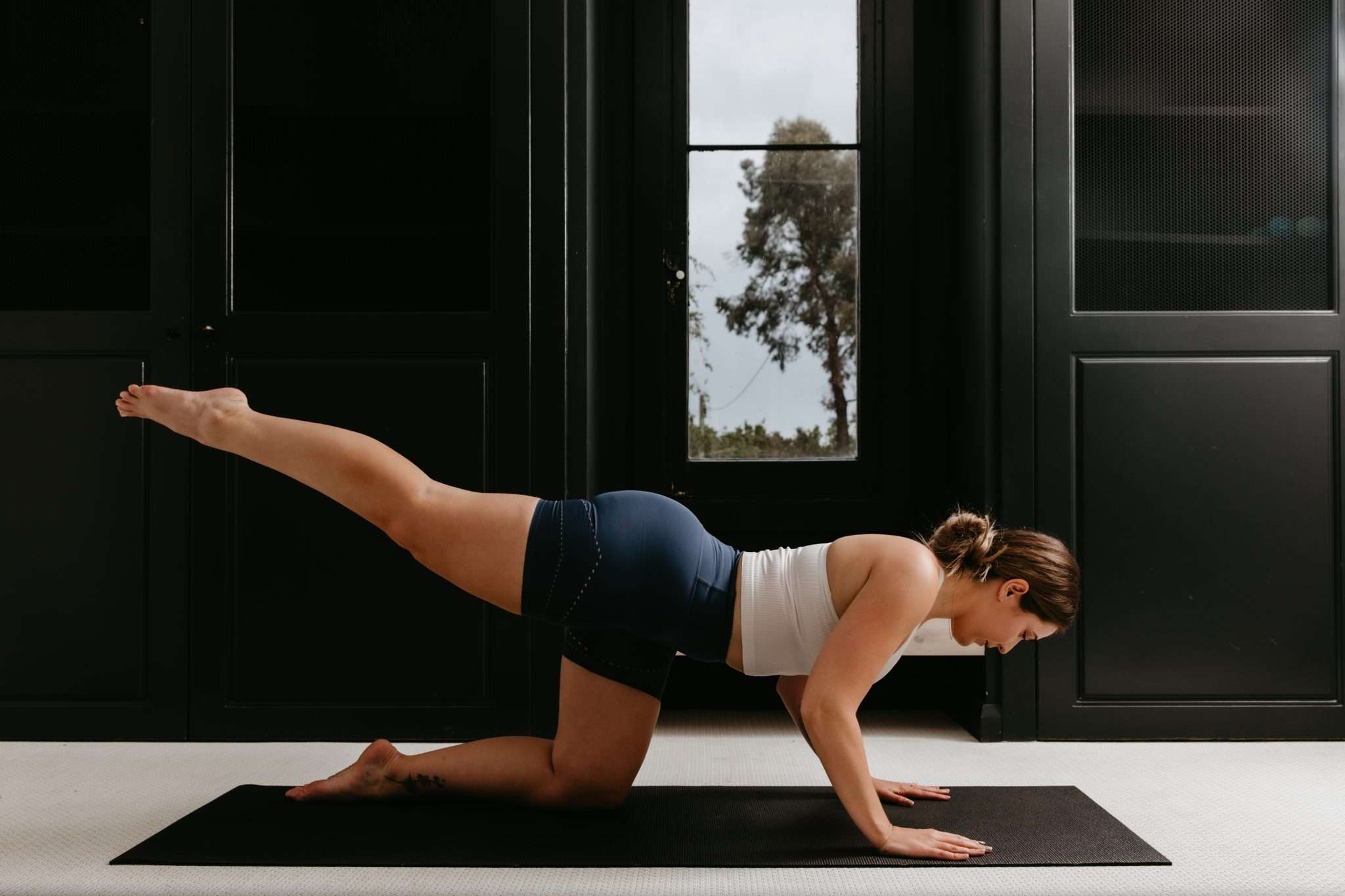
    • Start on your hands and knees in a tabletop position.
    • Inhale and arch your back, lifting your head and tailbone towards the ceiling (Cow pose).
    • Exhale and round your spine, tucking your chin to your chest (Cat pose)
    • Repeat for 10-15 reps.

    Tips for Practising Pilates with Sciatica

    • Consult a Professional: Before starting any exercise program, consult with a healthcare provider or a certified Pilates instructor, especially if you have a history of back pain or other health concerns.
    • Start Slowly: Begin with gentle movements and gradually increase intensity as your comfort level improves.
    • Focus on Form: Proper alignment and form are crucial in Pilates to prevent injury and maximize benefits.
    • Listen to Your Body: If an exercise causes pain or discomfort, stop immediately and consult with a professional.

    Finally, it may take a while for the full benefits of a Pilates exercise program to be realised. Just as problems that create most back pain problems happen gradually over time, learning to use one’s muscles in a way that support – rather than stress – the spine takes time and commitment.

    Sum Of Us Studio is conveniently located in High Street, Prahran in Melbourne – so if you’re nearby, call us today to find out how our team can help you reduce sciatica pain with pilates. 

  • What to Expect at Your First Physio Appointment in Prahran

    What to Expect at Your First Physio Appointment in Prahran

    The four physiotherapist directors of Sum Of Us Studio laughing together

    What to Expect at Your First Physio Appointment in Prahran

    Most people book their first physio appointment at least a month after they should have. Usually because they’ve been hoping the pain will sort itself out, partly because they’re not sure what actually happens in the room — and a fair chunk of the nervousness is about the second one.

    This article is the short version of the conversation we have with every new client at reception before their first session at Sum Of Us. If you’ve already booked, read it before you arrive. If you haven’t, it’ll answer most of the “is it worth it” questions.

    Before the appointment: what to bring, what to wear

    You don’t need a referral. In Australia, physio is a primary-care profession — you can book directly with us without seeing a GP first. (The exception is if your treatment is being paid for under Medicare, WorkCover, TAC or DVA, in which case you’ll need the relevant paperwork from your GP or insurer. Reception will flag this when you book if it applies to you.)

    Bring:

    • Your private health card if you have one (we process rebates on the spot with HICAPS)
    • Any relevant scans, imaging reports or specialist letters — we’re happy to look at what you’ve already got rather than start from scratch
    • A list of medications you’re taking, especially anti-inflammatories or pain relief
    • A rough timeline of when the problem started and what makes it better or worse

    Wear activewear, or clothes you can move in and roll up easily. We’ll need to see the area we’re working on — if it’s your knee, wear shorts; if it’s your shoulder, a singlet or loose top helps. If you forget, we have shorts and singlets in reception you can change into.

    Arrive five minutes early. That gives us time to sort out the intake form and introduces no stress to the actual appointment time.

    The first 45 minutes, in order

    A standard first appointment is 45 minutes. Here’s exactly how it’s structured.

    Minutes 1–10: The conversation. Your physio sits down with you in the treatment room and asks a lot of questions. What hurts, where, when, how long, what triggered it, what makes it better, what makes it worse, what you’ve already tried, what your job looks like, what your sport or hobbies look like, whether you’ve had this before, what your sleep and stress have been doing. This is the single most important part of the session — about 70% of what a good physio diagnoses, they diagnose from this conversation before they’ve touched you.

    Minutes 10–20: The physical assessment. Your physio watches you move. How you walk, bend, reach, rotate, squat — whatever’s relevant to the problem. They’ll palpate (feel with their hands) the area that’s painful and the areas around it that might be contributing. They might do specific tests — for a neck, that could be resisted movements; for a knee, it could be ligament stress tests; for a lower back, it’ll often be nerve tension testing. None of this should increase your pain beyond mild discomfort — if anything hurts more than you expected, tell us immediately.

    Minutes 20–35: Treatment. Based on the conversation and the assessment, your physio delivers some form of hands-on treatment. That might be soft tissue release, joint mobilisation, dry needling (if you’re comfortable with it), targeted stretching, or muscle activation work. You’ll usually feel a noticeable shift in the pain or range of motion during this window. If dry needling is recommended and you’ve never had it, your physio will explain what it is and give you the option to say no — it’s never mandatory.

    Minutes 35–45: The plan. This is the part most first-time clients tell us they weren’t expecting. Before you leave, your physio writes up — and explains — a clear plan. It includes:

    • What they think is going on (in plain English, not medical code)
    • One or two home exercises you’ll practise until your next session
    • How many follow-up sessions they’re expecting, and at what interval
    • What you should feel improving between now and then, and what would be a reason to call us sooner

    You walk out with a printed or emailed exercise sheet and, usually, a follow-up booked for the next week. We don’t lock clients into packages or memberships — if one session is enough, one session is enough.

    What happens if we can’t help you in one session?

    Most of the time, one session gives us a diagnosis and a clear plan. Sometimes it gives us a question that needs imaging (MRI, ultrasound) or a specialist opinion (orthopaedic, neurological, women’s health) before we can go further. In those cases, your physio will refer you on directly and we’ll coordinate with whoever needs to be involved. You don’t need to go back to a GP first.

    We’d rather send you to the right person on day one than waste four appointments finding out we’re not it.

    The three things most first-time clients tell us they didn’t expect

    After thousands of first appointments in the Prahran clinic, a few things come up over and over:

    1. “I didn’t realise you’d actually explain what was going on.” A lot of our new clients have been to other practitioners and left with a vague feeling that something was tight or inflamed. Your physio will show you the specific structure causing your pain, why it’s behaving that way, and what we’re going to do about it.
    2. “I didn’t realise I’d have homework.” One or two exercises, done consistently at home, usually make more difference than what happens in the treatment room. We don’t give you a sheet of twenty — we give you the one or two things that move the dial.
    3. “I didn’t realise how much of it is about what I’m doing the other 23 hours a day.” If you’re a desk worker with neck pain, we’re going to talk about your desk. If you’re a runner with a dodgy hip, we’re going to talk about your weekly mileage. The treatment room is five per cent of the equation.

    Common first-appointment conditions

    For reference, these are the issues we most commonly see at a first appointment at our Prahran clinic:

    • Lower back pain — the single most common presentation; usually involves a mix of muscular, joint and sometimes disc-related components. More detail on our sciatic pain page.
    • Neck and shoulder pain — especially in desk workers and anyone who’s added a lot of phone time to their day. See neck pain for the common patterns.
    • Running injuries — ITB, runner’s knee, Achilles issues, shin pain. Covered in detail on our running injuries page.
    • Post-surgery rehab — ACLs, knee reconstructions, shoulder stabilisations, hip replacements, C-sections. We work closely with several orthopaedic surgeons across Melbourne.
    • Pregnancy and postnatal concerns — pelvic girdle pain, diastasis recti, pelvic floor issues. Our women’s health physios specialise in this.
    • Workplace injuries and WorkCover claims — we’re registered providers and can handle the paperwork.

    If your issue isn’t on that list, it doesn’t mean we don’t treat it — it just means it’s less common. Call reception on (03) 9510 6311 if you want to check before booking.

    Ready to book?

    If you’ve read this far, you’re past the first hurdle. Book your first physio appointment online, or call us on (03) 9510 6311 and reception will find you a time that works.

    We’re at 602 High Street, Prahran, five minutes’ walk from Prahran Station and with parking at the door. Bring the scans. Wear the activewear. We’ll handle the rest.

  • Creating a Healthy Australia: Why You Need a Wellness Plan and How to Create One That Works

    Creating a Healthy Australia: Why You Need a Wellness Plan and How to Create One That Works

    Have you’ve been considering creating a personal wellness plan? Perhaps it has seemed too daunting, or you’re not quite sure how to start. Or maybe you’re not sure what a wellness plan is and how it can benefit you.

    Taking responsibility for your own health and wellness is personally empowering. Think of it as building your own health insurance plan by investing in yourself.

    What’s a Wellness Plan?

    A wellness plan is a dynamic, multi-faceted guideline for your life that evolves as you grow and change. Your plan sets you up for both long-term and short-term wellness goals in several significant life areas or dimensions. These areas include your physical wellness, nutritional wellness, emotional and mental wellness, financial wellness, intellectual wellness and environmental wellness.

    For each of the areas, you set realistic and attainable goals. The focus is on ways to create healthier habits and behaviours that allow you to achieve a greater sense of wellbeing in your life. There’s no “quick fix,” and the plan is meant to serve as a support for you in improving many aspects of your life. Once you decide on your personal goals, you decide activities or action steps to achieve them.

    Taking responsibility for your own health and wellness is personally empowering

    The Benefits of a Wellness Plan

    A wellness plan helps you attain personal goals that provide you with an optimal sense of wellbeing. Along the way, you may discover a greater sense of confidence, happiness and enjoyment of your life. Greater clarity of thinking and tapping into your best potential are other benefits associated with wellness plans.

    You’ll find that many areas of your wellness plan overlap with each other, creating a synergistic effect in motivating you. For example, improved nutrition can help better fuel your workout activities, which buoys your sense of emotional well-being.

    Recognising the interrelatedness of the wellness areas gives you a greater appreciation for how your choices impact your life. You’ll also discover what’s unique about you and how you can best motivate yourself in fostering healthier habits.

    Starting a Plan

    The best approach is to start with an outline. First, write a personal mission statement. A mission statement is a short, overriding philosophical statement about your purpose. It doesn’t have to be fancy or profound. Just write something that has meaning to you. For example, your mission could be to create greater happiness and wellbeing in your life by achieving better wellness.

    Next, think about each of the wellness areas mentioned above and jot them down, leaving a section for each of them. You’ll need space for both long-term and short-term goals and your activities for reaching those goals. The key is to set manageable, measurable goals. Behaviour change happens incrementally, so be realistic. Small steps can become bigger steps in time.

    Wellness Plan Ideas

    To get you started, we’ll go through each of the major wellness areas. There’s no right or wrong. Just stay with goals and activities that improve your wellbeing and sense of self-efficacy.

    This isn’t a competition. It’s a personal journey to achieve optimal wellness for you. Once you develop your plan, keep it somewhere you can view every day. Each morning review your plan, which, it should not be forgotten, is designed to guide and support you. If you stumble, congratulate yourself for what you are achieving and keep going.

    Physical Wellness

    Most people start their plans with physical wellness. What are some of your goals? Perhaps one goal is to become more physically fit or to launch an exercise program. For example, your goal is to begin a fitness program. Some steps to achieve this could include taking a 30-minute walk three times per week, attending two pilates classes, or joining a gym to work with a personal trainer. Choose action items that make sense for you and are doable.

    Be sure to include preventative care and health screenings in this section for both medical and dental treatments, whether it’s seeing a physio to sort out a recurring niggle in your body

    Nutritional Wellness

    Eating better, whether to lose weight or just improve your dietary habits, is important to many people. From what we know about diet and its influence on illnesses such as heart disease and diabetes, it’s clear that your food choices can have important consequences for your health. Your action steps may include incorporating more vegetables to increase fibre and micronutrients, or reducing sugar consumption or processed food intake. Booking in with a dietician can be an important action step to help you identify any areas of improvement and stay on track.

    Emotional and Mental Wellness

    For many, this section offers an opportunity to include more opportunities for self-care. Emotional and mental wellness means the ability to manage stress and adapt to life’s changes and challenges. Unfortunately, with our stressful and busy lives, self-care is often overlooked or the first thing knocked off our schedule when things get hectic.

    Your goals may include reducing stress and anxiety, getting quality sleep or trying to have a more positive outlook. Yoga, meditation, massage and limiting time spent doomscrolling on socials may be steps you achieve better emotional health.

    Financial Wellness

    Financial wellness can include living within your budget and saving for retirement. Both are common goals, but you may have others such as paying off a loan or credit card debt.

    In establishing your financial goals, meeting with a financial advisor or setting a written budget are often helpful activities. Your financial goal setting and activities will most likely be influenced by your age and life stage.

    Intellectual Wellness

    Intellectual wellness is about keeping your mind active and having a strong desire to learn. Learning to paint or learning a foreign language are examples of ambitious goals. But goals can also be simpler. Set a goal to stay better informed in current affairs or read a book every week.

    Whatever your goals, think about the activities necessary to achieve them. Sign up for a class, go to the library every week or subscribe to a new journal or magazine.

    Environmental Wellness

    This is about your surroundings, and especially your home, but also your work and neighbourhood environments.

    For example, how does your home promote your wellbeing? Think about items such as your cleaning products. Do they contain toxic chemicals? Set a goal to use household products less harmful to you and the environment. Your action steps could include cleaning with non-toxic cleaners.

    Do you have a stressful job? How can you incorporate more soothing elements into your office décor that can help keep you calm throughout the day? Many of us spend a good portion of our lives at work. Our wellbeing at work can be a critical part of a wellness plan.

    Does your employer have a corporate wellness program? Nowadays, many businesses provide wellness perks at the job. Some perks include yoga classes, health screening events and on-site fitness centres.

    Keeping a Wellness Journal

    Keeping a journal can further support your wellness plan. If you are new to journaling, it may seem a tad difficult at first. Journals are an important tool in helping you notice behavioural patterns, acknowledge accomplishments and keep you motivated on your wellness journey.

    When journalling, try to commit to daily entries or at least two times per week.  Even if briefly written, capture the highlights of your day, any challenges or achievements and your feelings associated with your activities. Most people find journalling at night before going to bed the most helpful. Choose a time a day that works best for you. And if journalling seems too overwhelming, try and commit for just three months and reassess after that time period. You may discover the journal helps to keep you motivated and solidify new habits.

    Adjusting Your Wellness Plan

    Update and modify your goals and activities as needed. Maybe you set an ambitious goal to go to the gym five times a week but, realistically, you can only go three times a week. Or maybe some goals just aren’t feasible due to the circumstances in your life right now. Adjust these as needed, too.

    Don’t see these adjustments as failures. Your aim is to improve your wellbeing over the course of time in a way that works for you.

    Have you attained a personal goal such as losing weight? Establish new activities to help you maintain your weight loss. Your wellness plan is not a static document and will undergo many revisions.

    And remember to congratulate yourself as you reach your goals and establish new habits. You’ve worked hard at self-improvement and deserve to celebrate your successes.


    Enjoy the journey of self-discovery on your road to better health and wellness!

    Personal Accountability

    Your journal is one tool that can help you stay accountable to your wellness goals. Other ways to get support include family and friends. Encouragement can go along way in helping stay on a new path and form life-enhancing habits. Do you have a friend or family member who can provide that support?

    Striving for your best takes courage. Be easy on yourself as you navigate through new, healthy behaviours. Developing your wellness plan is a significant step in taking responsibility for changes you want to make. Don’t judge yourself by another’s standards. If necessary, make small, incremental steps to start you on the path of change. These are lifetime habits and patterns you are establishing. Make sure you enjoy the journey of self-discovery on your road to better health and wellness.

  • Physio vs Pilates for Lower Back Pain: When to Book Which

    Physio vs Pilates for Lower Back Pain: When to Book Which

    Woman performing a pilates push-up during a body-sculpt class

    Physio vs Pilates for Lower Back Pain: When to Book Which

    “Should I be seeing a physio, or should I be doing pilates?”

    We get this question at reception almost every day. Usually from someone with lower back pain that’s been grumbling for six to twelve months. They’ve tried stretching. They’ve tried yoga. Maybe a friend told them to see an osteo. Another friend swore pilates fixed their back. A GP mentioned physiotherapy. So they arrive at our Prahran studio genuinely unsure which door to walk through.

    The honest answer is: it’s not either/or. Physio and pilates treat lower back pain in completely different ways, at completely different stages of the problem. The question isn’t which one is “better” — it’s which one you need right now, and in what order.

    Here’s how we think about it, in the order we’d usually recommend to a new client.

    What physio actually does for lower back pain

    Physiotherapy is a diagnostic and treatment discipline. When you arrive at a physio with back pain, their job is to answer three questions: what’s causing it, how bad is it, and what’s the fastest safe path back to normal.

    That process looks like this:

    1. Detailed history — when it started, what makes it worse, whether there’s any referral into your legs (nerve pain), how your sleep and work are affected.
    2. Physical assessment — movement testing, palpation, neural tension tests, sometimes specific orthopaedic tests.
    3. Diagnosis — identifying which structures are driving the pain. Muscle, joint, disc, nerve, or (most often) some combination.
    4. Hands-on treatment — soft tissue work, joint mobilisation, dry needling, specific release techniques aimed at reducing pain and restoring range of motion.
    5. Exercise prescription — one or two targeted movements to practise between sessions.
    6. Referral if needed — imaging (MRI / ultrasound), specialist opinion, or coordination with a GP if red flags are present.

    A physio will usually see you between three and eight times over four to eight weeks for a typical mechanical back pain presentation. By session four or five, you should be significantly better. If you’re not, a good physio will tell you so and change the plan.

    Physio is the right first call when:

    • Your pain is acute — it started recently (within the last 6–8 weeks), is sharp, or is worse than a dull ache
    • You have any pain, numbness or tingling referring into your leg, glute or foot
    • You’re post-surgery or post-injury
    • You’ve been told to rule out a disc problem, a nerve root issue, or a stress fracture
    • You can’t identify a clear movement pattern that triggered it (“I just woke up like this”)
    • Pain is stopping you from sleeping, sitting at work, or doing normal daily activities
    • You’re pregnant or recently postpartum — the mechanics are specific enough that you want a physio with women’s health training to assess before any exercise

    Short version: if it hurts badly or recently, see a physio first.

    What pilates actually does for lower back pain

    Pilates is a strength and motor-control discipline. It doesn’t diagnose anything. It doesn’t treat acute pain. What it does — and does better than almost any other form of exercise — is rebuild the specific muscular support system that protects your spine: deep abdominal muscles, multifidus (a small but critical spinal stabiliser), glutes, and the muscles that coordinate hip and pelvis movement.

    For most chronic lower back pain, the underlying problem isn’t acute tissue damage — it’s that the muscles that should be stabilising your spine have gone to sleep, usually after years of sitting, stress, and compensatory movement patterns. You can see this on scans in people who have no back pain at all, and you can see it in people with severe back pain whose scans look normal. The tissue isn’t the whole story. The software running the tissue is.

    Pilates rebuilds that software. It teaches you — in a slow, deliberate, precise way — how to fire your deep stabilisers, breathe in a way that supports your spine, and move from your hips rather than your lower back. Reformer pilates adds graded resistance to that re-training, which is why runners, post-natal clients and office workers with recurring back pain tend to respond so well to it.

    Pilates is the right call when:

    • Your pain is chronic (more than three months) and relatively low-intensity — a persistent ache, stiffness, or a feeling of vulnerability rather than sharp pain
    • You’ve had repeated episodes of back pain and want to stop the cycle
    • A physio has already diagnosed and treated the acute phase, and now you need to build the strength to keep it away
    • You want a long-term, sustainable practice rather than another course of treatment
    • Your back pain is clearly related to sitting all day, de-conditioning, or pregnancy/post-pregnancy recovery
    • You’ve been told by a physio or GP to “do pilates” and you’re wondering where to start

    Short version: pilates rebuilds the system. Physio fixes the current problem.

    The usual order: physio first, then pilates

    For most people with any meaningful back pain, the right sequence is:

    Stage 1 — Acute phase (weeks 0–4): Physio. Get the pain down, get a diagnosis, get moving again, establish what’s actually wrong. No one can do meaningful strength work when they’re in enough pain that they’re compensating every time they move.

    Stage 2 — Recovery phase (weeks 4–12): Physio, transitioning into pilates. As the acute pain settles, your physio starts introducing more loaded exercise. At Sum Of Us, this is often where clinical pilates sessions begin — the same physio who’s been treating you now programs your pilates work on the reformer, with full visibility of your diagnosis and medical history. You’re not being handed off; you’re being progressed.

    Stage 3 — Strength and prevention (weeks 12+): Pilates. Once the pain is gone and basic function is restored, the job is to stop it coming back. Most of our long-term clients move into two or three group reformer or mat classes a week, sometimes with occasional physio sessions as needed (every three to six months as a tune-up). This is where pilates earns its reputation as “the thing that fixed my back” — because by the time someone says that about it, they mean stage 3, after a physio has already done the hard diagnostic work.

    Skipping to stage 3 is the single most common mistake we see. People with acute back pain book into a group reformer class because a friend recommended it, push through exercises their body isn’t ready for, and end up worse. Not because pilates is dangerous — it isn’t — but because it was the wrong tool for the stage they were at.

    Case scenarios: what this looks like in practice

    To make the framework concrete, here are three typical Sum Of Us clients:

    The desk worker (34, accountant, South Yarra). Back pain on and off for two years, no clear trigger, worst in the afternoons. No leg symptoms. Our plan: three physio sessions over four weeks to address joint stiffness and a weak glute medius, then transition to two group reformer classes a week ongoing. Six months in, he’s pain-free for the first time in three years.

    The new runner (41, marathon training, Windsor). Sudden onset of sharp lower back pain two weeks into a new training block. Our plan: physio only for six to eight weeks — this is a training-load issue, not a de-conditioning one. Pilates isn’t the right tool here until the acute issue settles and we can assess whether gait re-training is needed. See running injuries for more on the running-specific patterns we see.

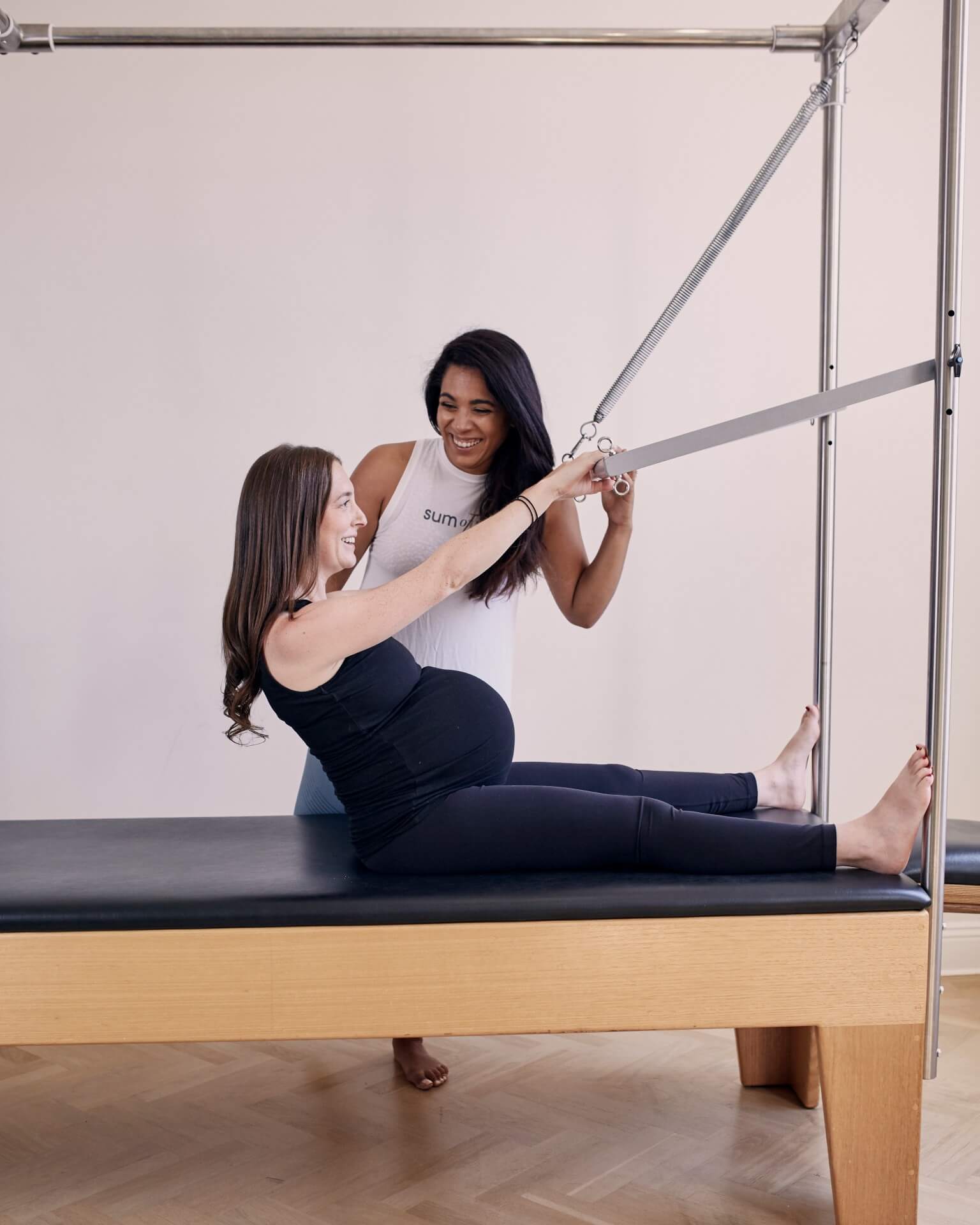
    The post-natal client (29, three months postpartum). Chronic lower back pain since late pregnancy, plus pelvic floor concerns. Our plan: a single women’s-health physio assessment first (pelvic floor and diastasis assessment can’t be skipped), then straight into our pre and postnatal pilates class — it’s designed for exactly this presentation and the instructor is trained in modifications for each stage of recovery.

    Same symptom — lower back pain — three completely different plans, depending on the cause.

    “But I just want to know which one to book now”

    Alright. Here’s the short, direct answer:

    • Pain is sharp, recent, or radiating into your leg?Book a physio.
    • Pain is chronic, dull, and you haven’t been assessed in a while? → Book a physio for one session. They’ll tell you whether you can skip straight to pilates or need treatment first.
    • You’ve already been assessed and told to do pilates?Book a clinical pilates session for your first few weeks (one-on-one with a physio, fully programmed to your condition), then move into group reformer or mat classes once you’ve got the basics.
    • You’re rehabbing post-surgery or post-injury? → Clinical pilates, probably for two to six months, then group classes.
    • You’re pregnant or postpartum?Pre/postnatal pilates, with a women’s health physio review first if you have active pain.

    If you genuinely don’t know where you fit on that list, take our 60-second quiz — it’s designed exactly for this decision.

    Or call the studio on (03) 9510 6311. Reception has this conversation multiple times a day; two minutes on the phone will get you pointed in the right direction.

    We’re at 602 High Street, Prahran. Physio rooms and reformer studio are under the same roof — which is exactly the point.

  • Reformer, Clinical, or Mat Pilates: Which Class Is Right for You?

    Reformer, Clinical, or Mat Pilates: Which Class Is Right for You?

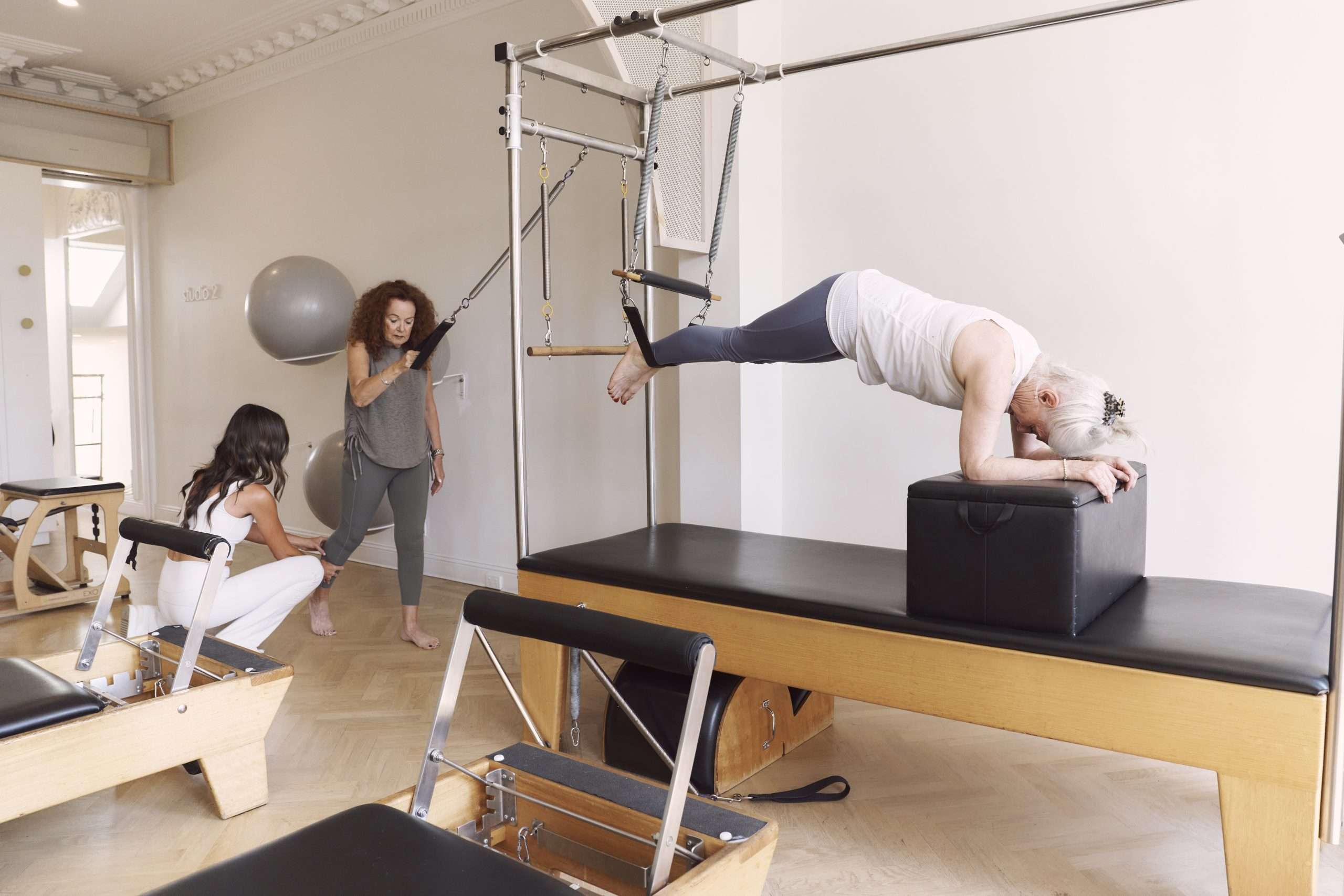
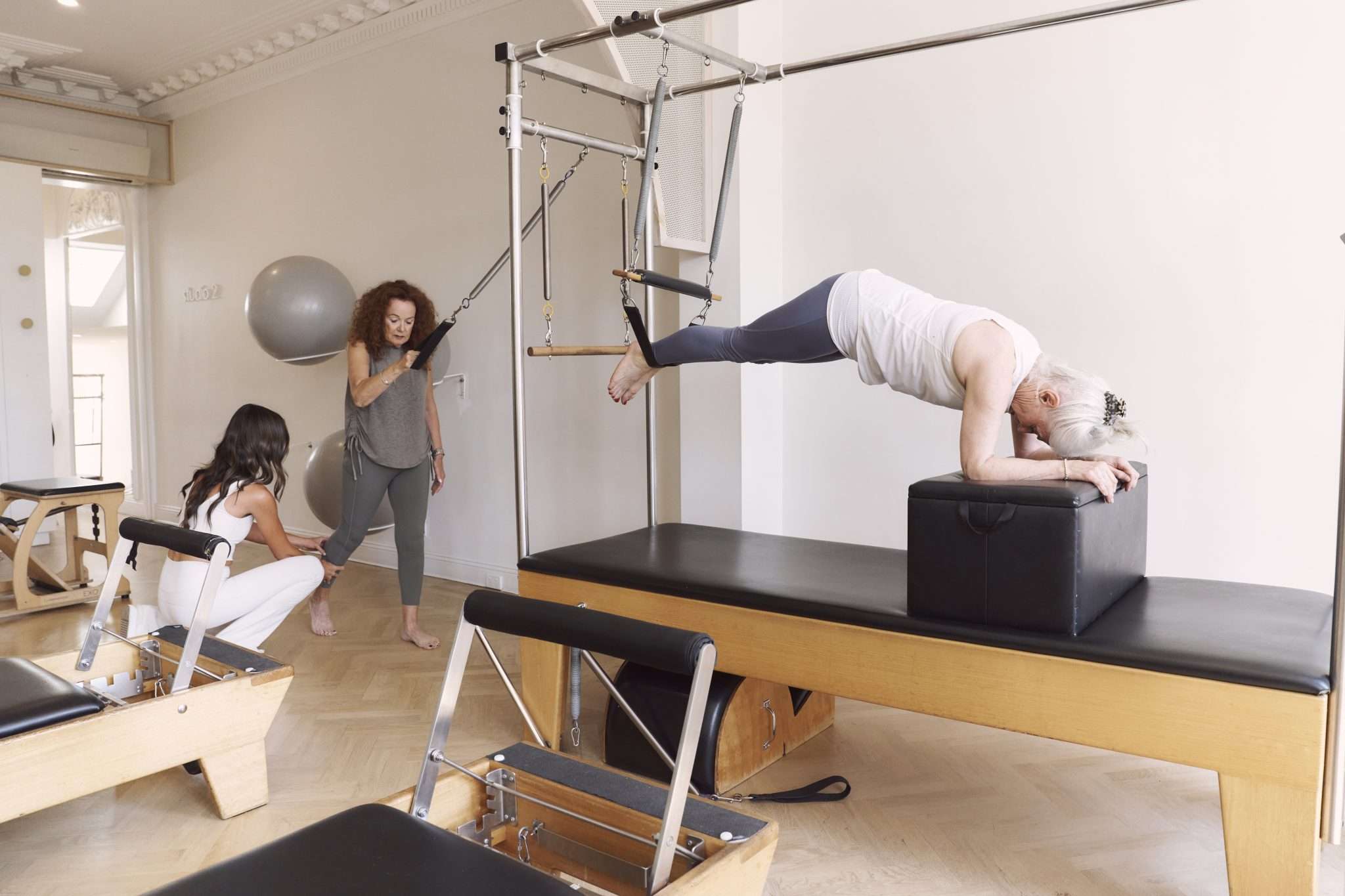
    Clinical pilates Cadillac at Sum Of Us Studio in Prahran

    Reformer, Clinical, or Mat Pilates: Which Class Is Right for You?

    If you’ve spent any time on the pilates section of our website (or anyone else’s), you’ve probably seen the same three words repeated a dozen times each: reformer, clinical, mat. They’re all pilates. They all use the same principles of breath, control and spinal alignment. And most studios will happily let you book any of them on day one without asking whether it’s the right starting point for your body.

    We do it differently. When a new client walks into Sum Of Us in Prahran, the first question we ask isn’t “Which class do you want?” — it’s “What’s going on with your body, and what are you actually trying to get out of this?” Because the honest truth is that the three class types suit three different people, three different goals, and three different stages of life. Pick the right one and you’ll love pilates. Pick the wrong one and you’ll tell everyone you tried it and it wasn’t for you.

    Here’s the straight answer — written by the physio team who runs the classes, not by a marketing department.

    Reformer pilates: built for visible strength

    A reformer is a spring-loaded sliding carriage. You push, pull, and stabilise against the springs in every plane of movement — standing, kneeling, seated, lying on your back. The resistance is adjustable, the range of motion is bigger than you can get on a mat, and the class moves fast enough that you’ll feel your legs shake within the first ten minutes.

    Reformer is the right class if you want:

    • Visible strength and tone, especially through your core, glutes and legs
    • A workout that’s challenging but low-impact — great if you run, cycle, or sit at a desk all day
    • A group class with enough instructor attention that someone’s still watching your form

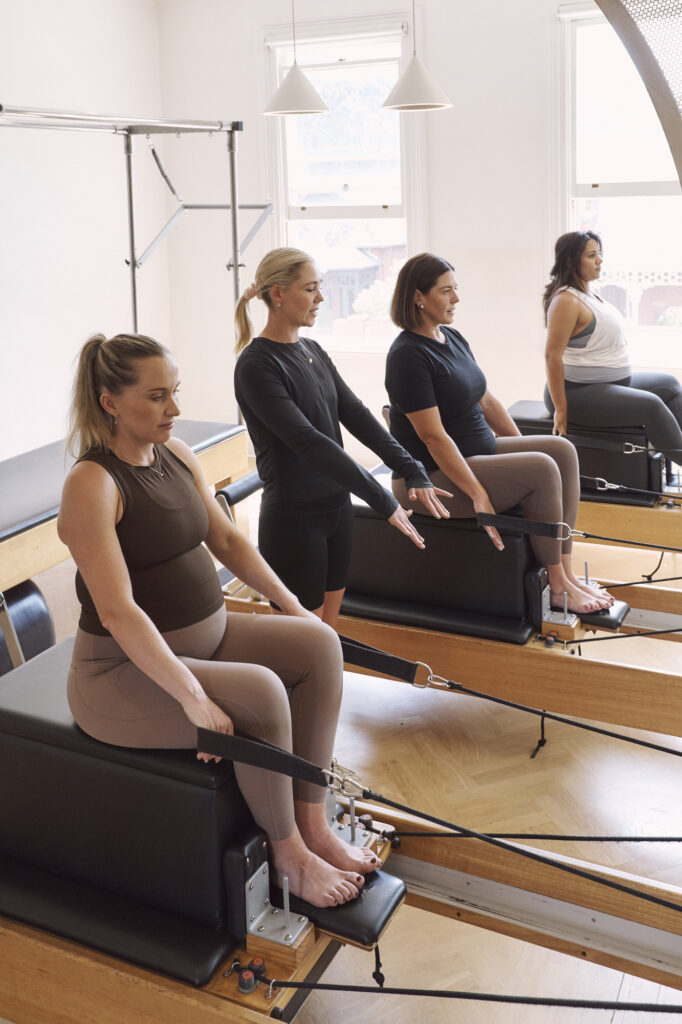
    Our reformer classes run in small groups of four to six people. That’s the sweet spot where you get genuine social energy — the music’s up, people are pushing through something together — but the instructor still sees every rep. We teach reformer as a real workout, not as a spa activity. You will sweat.

    Reformer is probably not the right starting point if:

    • You’re managing an injury, chronic pain, or a medical condition you haven’t cleared with a physio yet. (Book clinical instead — more on that below.)
    • You’re in the second or third trimester of pregnancy, or less than six weeks postpartum. (Pre/postnatal pilates is safer and programmed for what your body needs right now.)
    • You’ve never done any form of strength or movement work and feel nervous about moving in front of other people. Mat is a friendlier first step — you can always move to reformer after a few weeks.

    Clinical pilates: built for rehab and recovery

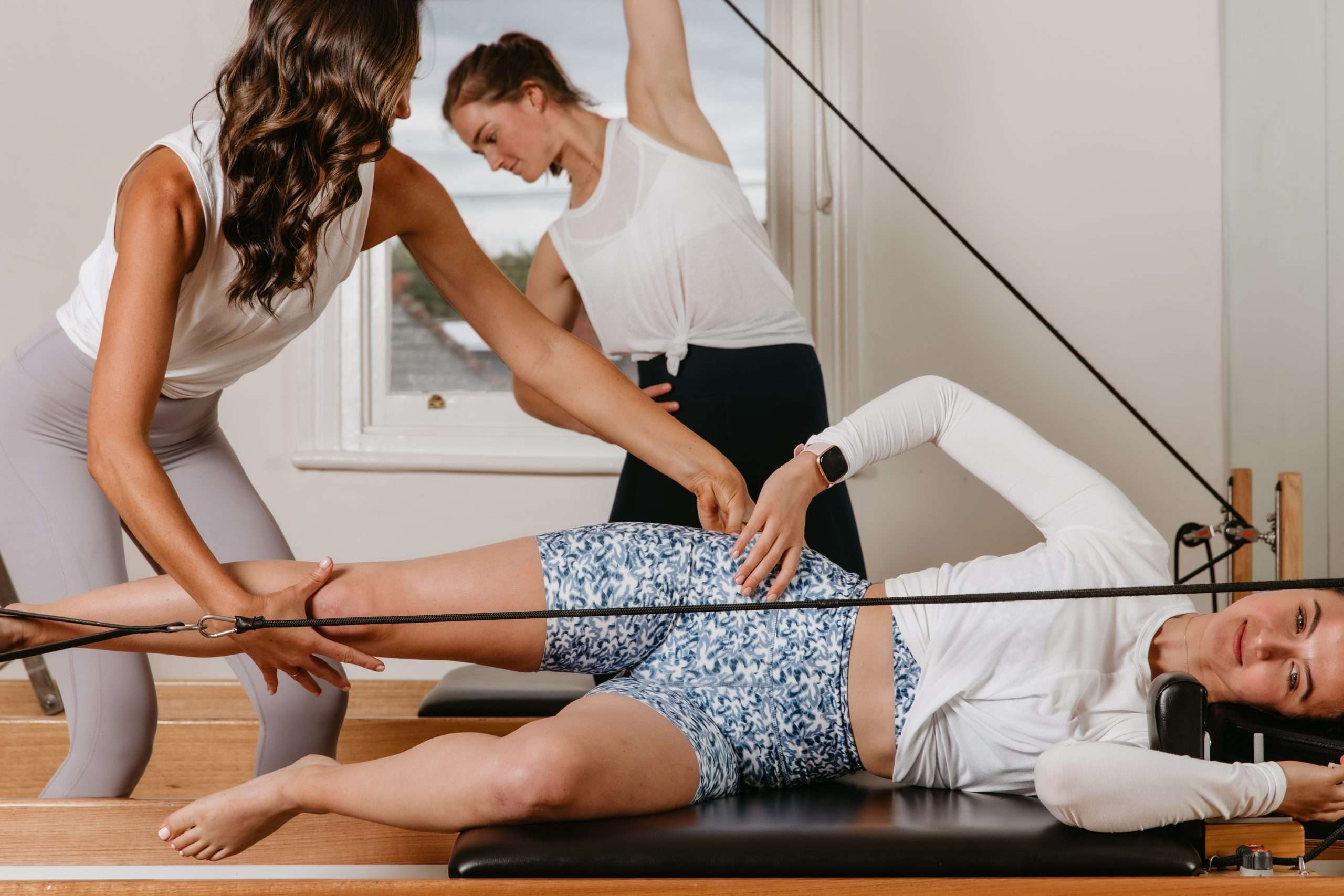
    Clinical pilates is pilates delivered by a physiotherapist, usually one-on-one or in a very small group (two to three people, all working on their own programs at the same time). The whole session is programmed around what your body needs — not what the group is doing.

    This is the class to book if you’ve got a niggle, an injury, or a condition you want addressed at the same time as you’re building strength. That covers a lot of people in Prahran: the runner with a dodgy knee, the new mum with pelvic floor concerns, the desk worker with chronic lower back pain, the weekend tennis player with a shoulder that’s never been the same since last summer. The physio leading your session can see your medical history, watch how you move, and build a program that rebuilds the thing that’s broken while strengthening everything else around it.

    Clinical pilates is the right choice if:

    • You have an injury — new or old — that you’re not sure a group class will accommodate
    • You’ve been told to “do pilates” by a GP, physio or specialist and aren’t sure where to start
    • You’re rehabbing post-surgery (ACL, hip replacement, shoulder reconstruction, C-section recovery)
    • You’re managing a chronic condition — scoliosis, fibromyalgia, autoimmune issues, hypermobility
    • You want the fastest possible path to being back in a group class safely

    It’s worth saying out loud: clinical pilates is claimable on most private health extras (under physiotherapy, not under pilates). Group reformer and mat classes aren’t. If your insurance is going to cover some of it, clinical is how you get that benefit — check with your insurer before your first session if you want numbers confirmed.

    Mat pilates: the friendliest place to start

    Mat pilates is floor-based, bodyweight-focused, and the most traditional form of the method. It’s where most of the foundational exercises were invented — the ones you’ll still find yourself doing on the reformer months later, but without the machine.

    Our Dynamic Mat classes are deliberately not “gentle” — we want you leaving sore — but they are lower-stakes than reformer. You’re working with gravity and small props (light weights, resistance bands, small balls) rather than spring tension. That makes it easier to learn the fundamentals: breath, spinal control, how your core actually fires, how to move from your hips rather than your lower back.

    Mat is a great starting point if:

    • You’re brand new to pilates and want to learn the language before adding equipment
    • You want a lower price point than reformer (mat is usually our most affordable format)
    • You like the idea of a class you can essentially keep doing at home on your own mat
    • You’ve done yoga or barre and want to add something structurally complementary rather than redundant

    Plenty of our regulars do a mix — two reformer classes a week for strength, one mat class for form work and mobility. Done consistently, that combination is hard to beat.

    A quick decision framework

    Still on the fence? Here’s the flow chart we use with new clients at reception:

    • Injured, pregnant, or post-surgery? → Clinical pilates first.
    • Brand new, budget-conscious, or nervous? → Start with mat for two to four weeks, then try reformer.
    • Comfortable with movement and want strength gains fast? → Reformer straight away.
    • Just had a baby (less than four months)? → Pre/postnatal pilates, which blends mat and reformer but is modified for pelvic floor and core reconnection.

    If you want a more nuanced answer based on your specific situation, we built a 60-second pilates quiz that runs you through five questions and points you to the class most likely to suit you, with the next-best option as a backup. It’s free, doesn’t need your email, and you can retake it as many times as you like.

    What all three classes have in common

    Whichever one you pick, three things are true at our Prahran studio:

    1. You’re being watched. Every class — reformer, clinical, mat — is capped small enough that an instructor (or physio, in clinical) can see your form and cue you through it. We don’t run “follow-along” classes where the instructor is performing on stage.
    2. Nobody cares what you look like. Pilates, as a method, is ridiculously good at exposing everyone’s asymmetries. The person next to you isn’t judging your form — they’re too busy trying to stop their own left hip dropping.
    3. Consistency beats intensity. Two to three sessions a week for six weeks will change how you feel. One “killer” session a month will do very little. Pick the class you’ll actually come back to.

    Ready to book?

    If you already know which one suits you:

    Still unsure? Take the 60-second quiz and we’ll give you a straight answer.

    If you’d rather just talk it through, call the studio on (03) 9510 6311 or walk in — 602 High Street, Prahran. We’d rather spend five minutes helping you pick the right class than have you show up to the wrong one.

  • Get The App

    Download the Sum of Us App today to plan and schedule your classes! From this mobile App you can view class schedules, sign-up for classes, view ongoing promotions, as well as view the studio’s location and contact information.

    You can also click through to our social pages! Optimise your time and maximise the convenience of signing up for classes from your device!

    Click here to download the App.

  • Watch this space

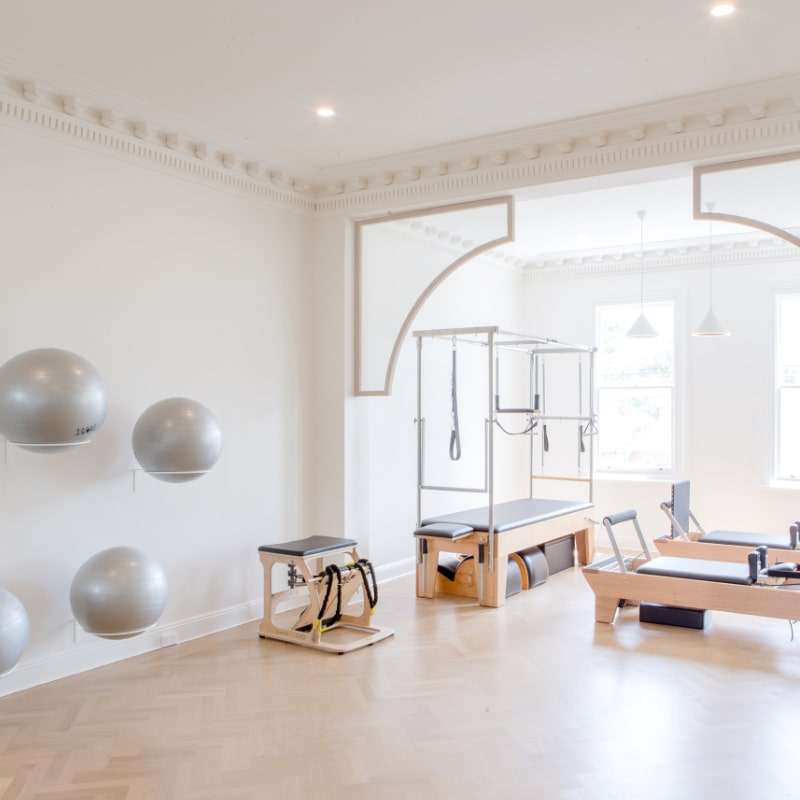
    Interesting how the renovation of this beautiful building so closely represents the human transformations we love to do – correct flaws and structural issues, reinforce foundations, and then have some fun with bringing life, happiness and beauty and releasing its soul to its full potential.